
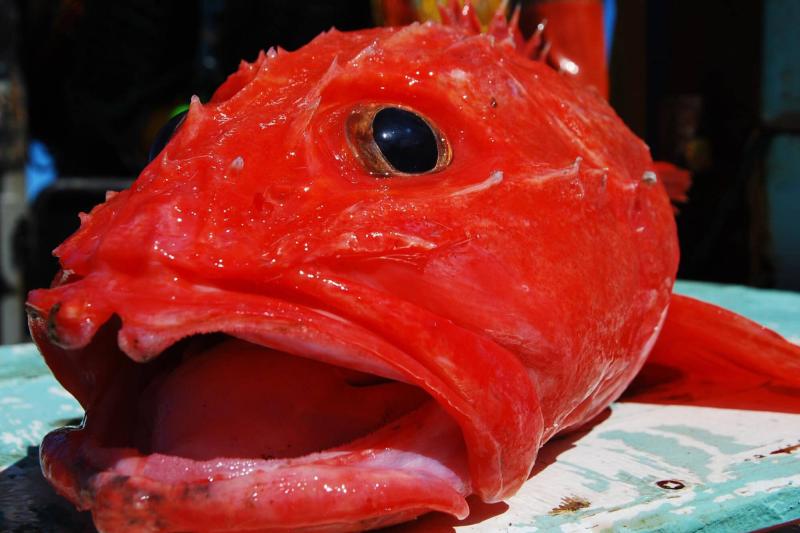
A new emergency rule from NOAA Fisheries is providing a critical lifeline to the West Coast groundfish fleet. By increasing catch limits for three vital species that have proven more abundant than previously estimated, the rule aims to restore economic flexibility and ensure a steady supply of domestic seafood.
Key Changes and Impact
The emergency action increases the 2026 catch limits by approximately 10 percent for three specific species:
- Shortspine thornyhead
- Canary rockfish
- Petrale sole
This adjustment offers meaningful relief to a fleet that faced significant hardships in 2025 due to much lower catch quotas. Those previous restrictions – including a 60% reduction for shortspine thornyhead and a 56% cut for canary rockfish – had led many crews to avoid fishing entirely for fear of exceeding their limits.
Science-Driven Management
The decision to raise limits was based on updated “catch-only” projections requested by the Pacific Fishery Management Council. These projections revealed a greater biomass than earlier assessments suggested, largely because the fishery typically does not catch its full limit, leaving more fish available to reproduce.
“We looked at the science and it told us the picture had changed, so we are acting as quickly as possible to provide more opportunities for our fleet,” said Ryan Wulff, assistant regional administrator for NOAA Fisheries West Coast Region.
Broader Significance
- Fleet Flexibility: Higher limits allow vessels to continue targeting other valuable stocks, such as Pacific hake (whiting), without the risk of being shut down if they accidentally catch co-occurring species.
- Market Competitiveness: Increased domestic landings improve the competitiveness of U.S. seafood against imports.
- Ongoing Recovery: This move underscores the successful long-term recovery of West Coast groundfish, which have rebounded from a major collapse approximately 25 years ago to become the largest fishery by volume on the West Coast.
While the 2025 season was challenging, officials expect these new regulations to provide immediate value and relief to affected vessels while maintaining the long-term sustainability of the stocks.